
 Posted by
 For centuries, death was confined to the margins of our gaze. It happened in homes, hospitals, and on battlefields: far from the lights, spotlights, and microphones. Then came television, and with it, the unexpected. Because in live broadcasting, nothing is really under control, and sometimes the last breath seeps onto the screen without warning. Without censorship. Without mercy.
Over the years, some moments broadcast live have become public epitaphs, etched in the collective memory. Not for what was intended to be shown, but for what happened against all odds.
Christine Chubbuck
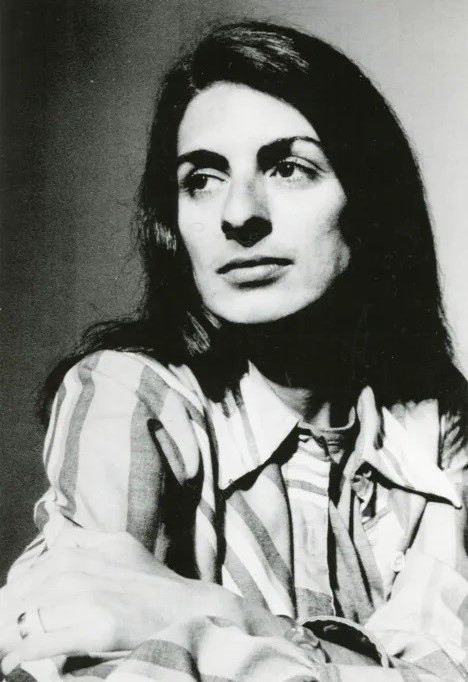
It was July 15, 1974. Christine Chubbuck, a 30-year-old journalist at WXLT-TV in Florida, was hosting her morning news program. It seemed like any other day, until she read in a neutral voice: “In keeping with the channel’s policy of always broadcasting the blood and guts of reality, we will show you another live close-up: a suicide attempt.”
Then she pulled a gun from under her desk and shot herself in the head, live on national television.
Christine was not just a troubled professional. She was also a woman struggling with deep depression, loneliness, and a society that left no room for fragility. She had warned her colleagues, several times, in a veiled manner. She had even asked to do a report on suicide. No one really picked up on the signs.
The video was never officially released. But her death on live television became a tragic symbol of a television industry incapable of stopping what happens in real time and which, from that day on, was forced to come to terms with the unpredictability of life… and death.
R. Budd Dwyer
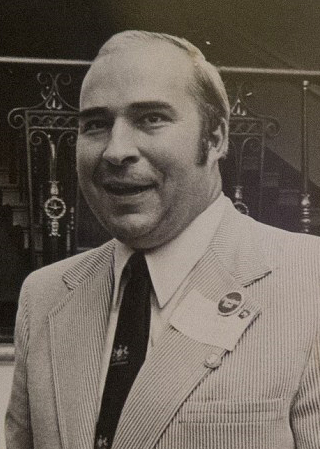
January 22, 1987. Harrisburg, Pennsylvania. R. Budd Dwyer was state treasurer and was facing a corruption charge that threatened to destroy his career and his life. He called a press conference. In front of dozens of journalists, he read a long statement, emotional and full of despair.
Then, to everyone’s amazement, he pulled a gun from a brown paper bag, told them to step back, and shot himself in the mouth.
Some local stations broadcast the moment live. Others aired it shortly after, uncut. The audience saw everything: the blood, the collapse, the screams. The images were repeated for days. They went viral long before the internet existed.
Dwyer, according to many, had been unjustly framed. His gesture was as sensational as it was desperate, a way to deliver his truth to eternity. But TV that morning broadcast much more than a political statement: it turned a man’s end into a national spectacle.
Unfortunately, when the internet was still in its infancy, I happened to see the uncensored video on YouTube. Having opened the video without knowing what was going to happen, I was deeply shaken by the images, which are, despite myself, burned into my memory.
Owen Hart
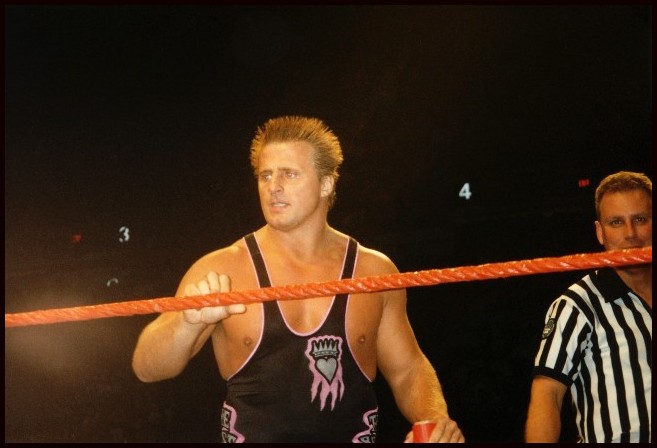
May 23, 1999. Pay-per-view Over the Edge, World Wrestling Federation. Owen Hart, a well-known Canadian wrestler, was about to make his entrance with a spectacular descent from the top of the arena. He was supposed to lower himself with a harness from a height of over 20 meters, but something went wrong. A hook opened too early and Hart fell into the void, crashing into the ring in front of thousands of live spectators and millions watching at home.
At that moment, the camera was focused on the audience. The fall was never broadcast, but the subsequent images, with the referee bending over, doctors running and absolute confusion, reached everyone.
Hart died a few minutes later, aged 34. The WWE decided to continue with the event. And this decision is still the subject of fierce criticism today. That day, wrestling showed its most fragile side. For a moment, the show broke down and let reality in.
The WDBJ7 massacre
August 26, 2015. Moneta, Virginia. Alison Parker, 24, a reporter for WDBJ7, and cameraman Adam Ward were broadcasting a live interview. Suddenly, shots rang out: the camera fell and the images were interrupted.
Parker and Ward were killed on the spot. The attacker was a former colleague, Vester Lee Flanagan, who had been fired months earlier. He filmed the attack with his cell phone and uploaded it online, and the videos spread at an alarming rate. Some sites published them in their entirety.
It was the first time that a double murder had been broadcast live from two perspectives: that of the victims and that of the killer. It was also one of the first cases of social murder, in which death is not only seen but shared.
The crime went viral and grief turned into clicks.
Death as content
These are not the only cases. Live death has many faces: athletes struck by heart attacks, actors collapsing on stage, attacks captured by news cameras. But some episodes remain more memorable than others because they show the exact moment when life is cut short. Unedited. No filter. No mercy.
Television has always had an ambivalent relationship with death: on the one hand, censorship; on the other, obsession. And with the advent of digital technology, the line has become blurred. Today, you don’t even need a camera crew or an official live broadcast; all you need is a smartphone and an internet connection. Death can happen anywhere and go viral in seconds.
But at what price?
To watch or to look away?
Some talk about the right to information, others about the pornography of pain. The victims’ families are often not notified and the videos remain online, sometimes for years, becoming the object of morbid curiosity or outright obsession.
What happens when death is no longer a private event, but content to be broadcast, shared, and commented on? When someone’s last breath becomes part of collective entertainment?
It is not just a moral issue, it is a question that concerns us all. Because, one day, we may be in front of that screen wondering if we are watching the news or the end of a real person.