

 Posted by
Mankind, we all know it, can be very resourceful especially when it comes to doing harm. This is testified by the hundreds of torture methods invented since the beginning of the earliest civilizations.
What is the rat torture?
The rat torture was one of the methods used by the Inquisition to try to extract confessions from alleged witches and sorcerers.
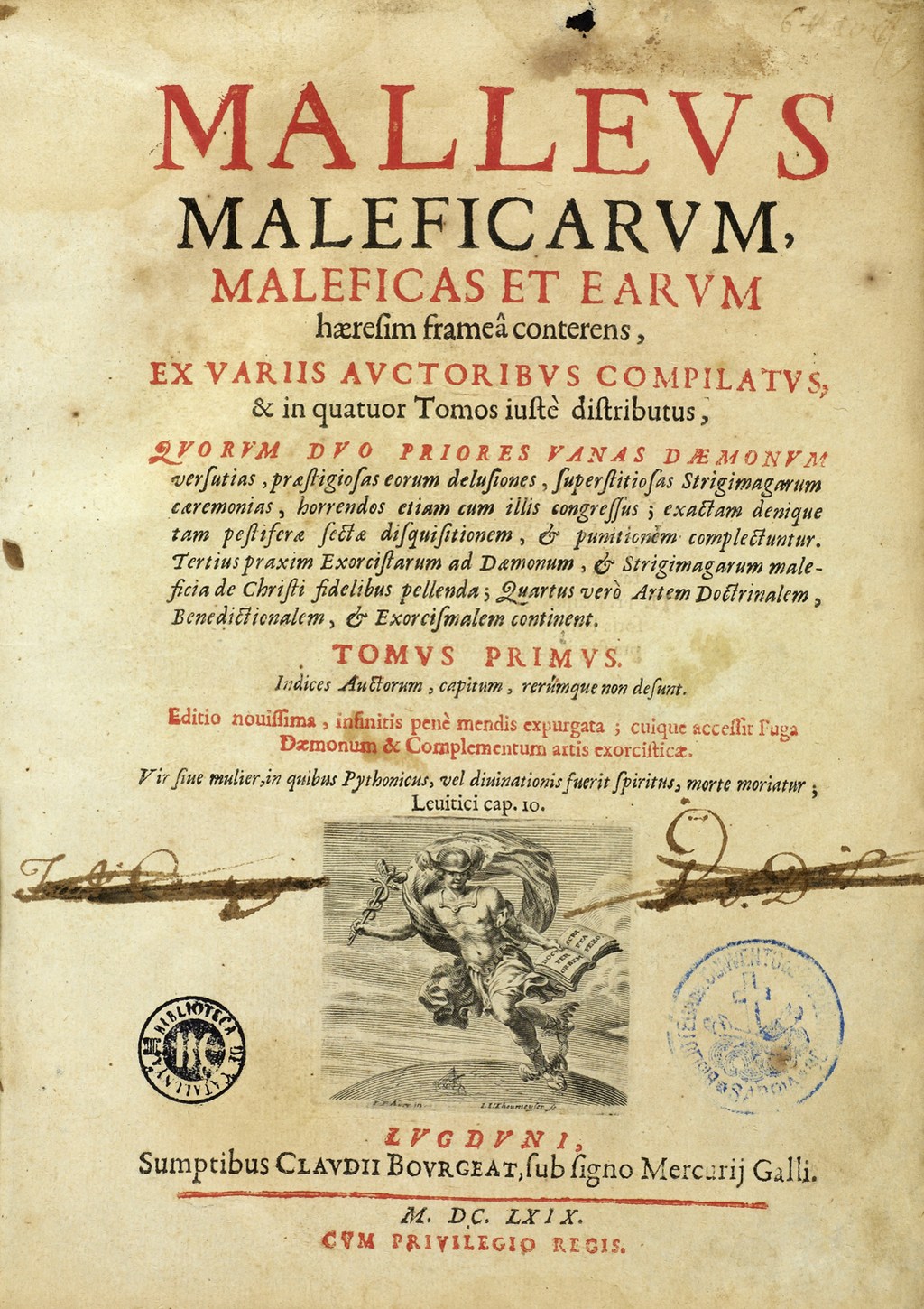
In 1484 a papal bull by Innocent VIII set off a witch-hunt. Two years later the “Malleus Maleficarum” was written, which later became the reference text on witchcraft. In fact the Church never officially adopted it, and the Spanish Inquisition itself considered it unreliable; but thanks to the printing press it still became the most widely read manual among witch-hunters all over Europe.
If you’re more interested in the origins and history of the Inquisition, and want to know how real the stories they tell in school are, I recommend:
Let’s go back to the rat torture. Actually it would be better to speak about it in plural form, as I am aware of
at least two methods to torture one human being with one rat only.
First method
The first method was easy to do: a rat was put into a cage. Meanwhile the victim was placed lying on a tripod or a wooden board, with hands and feet tied. Then they would lean the cage on the prisoner’s belly, removing the underside so that the rat was in direct contact with the skin of the victim. Later on a burning brazier or any other heat source was placed on top of the cage.
At this point the rat, in an attempt to get away from that much heat, would begin to scratch and bite the skin and flesh of the victim, eating them alive.
This torture caused excruciating pain and could last for a very long time before death came.
Second method
Even the second method was easy to perform, because
A rat was simply inserted into the anus or the vagina of the victim with the muzzle facing the internal organs, and then the orifices were sewn shut.
As with the first method, the rat would try to get out and be free in every way possible, and in order to do so it would scratch and bite tissues and internal organs of the victim causing internal bleeding and excruciating pain.
Diederik Sonoy and the rats
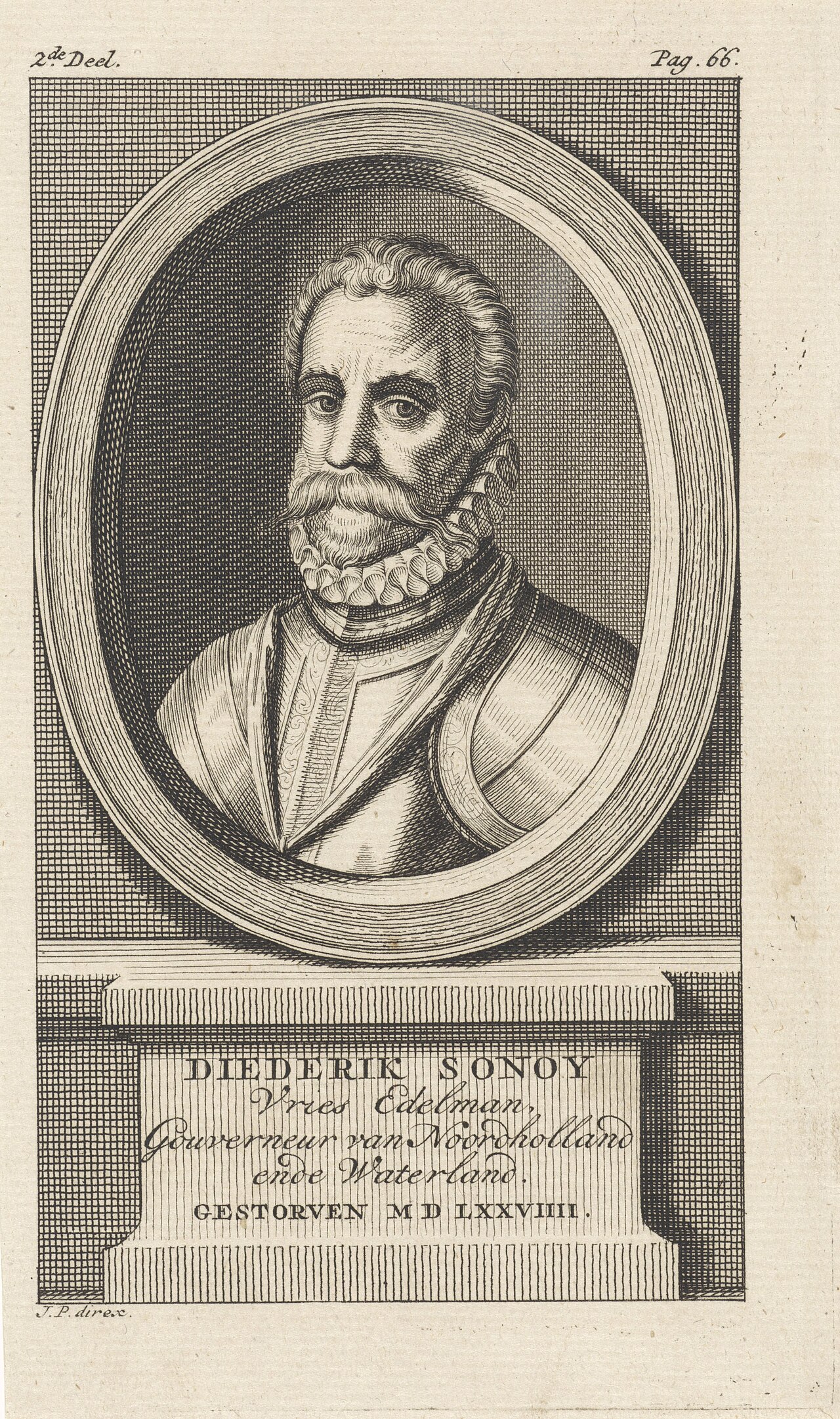
One of the best-documented cases has nothing to do with the Inquisition, but with its enemies. During the Dutch Revolt against Spain, around 1575, the Protestant governor of North Holland, Diederik Sonoy, had several Catholic peasants suspected of helping the Spanish horribly tortured. Among the methods described by the chroniclers was exactly this one: a container with rats turned upside down on the victim’s belly and heated from above with fire, until the animals tried to escape by burrowing into the flesh. Sonoy’s cruelty shocked even his allies, and William of Orange had to open an inquiry.
Rat torture also became famous through literature. In George Orwell’s Nineteen Eighty-Four, Winston Smith is finally broken in the dreaded Room 101 by the threat of a cage full of starving rats, ready to be strapped to his face. Sadly, it isn’t only fiction: accounts of torture involving rats and other animals were also gathered in investigations into South America’s military dictatorships in the 1970s.


